
Introduction
Accessing a loan through your mobile phone has become increasingly convenient for salaried Kenyans. For civil servants, including teachers, police officers, county government employees and other public-sector workers, digital loans can provide financial support when unexpected expenses arise.
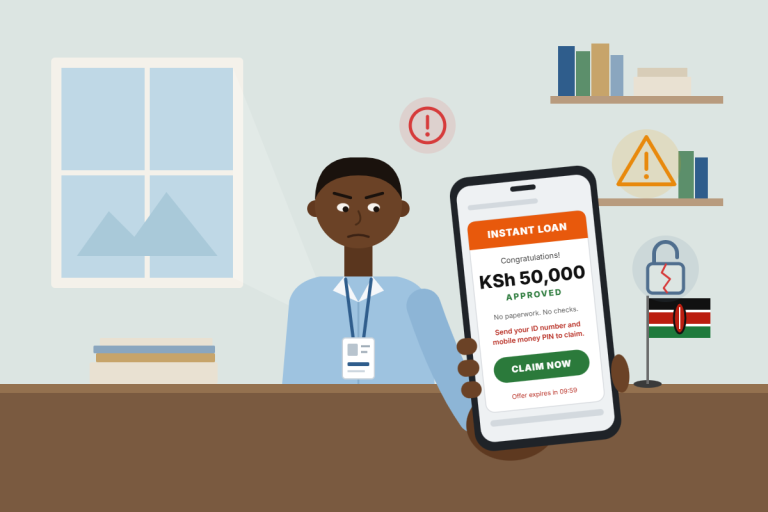
However, the growing popularity of mobile lending has also created opportunities for fraudsters. Fake loan apps and fraudulent online lending platforms are increasingly being used to trick unsuspecting borrowers into sharing personal information, paying fraudulent processing fees or surrendering access to their mobile devices.
Some of these platforms look professional, advertise attractive interest rates and promise instant loan approvals. Unfortunately, their real intention may be to steal money or exploit sensitive financial information.
Understanding how these scams operate can help you protect your salary, personal information and financial security.
1. How Do Fake Loan Apps Operate?
Fake loan apps often imitate legitimate digital lending platforms. They advertise quick approvals, minimal requirements and attractive loan limits to convince users to download their applications.
Once installed, some request access to sensitive information, including contacts, messages, location and other personal data.
Fraudsters may use this information to:
- Collect personal and financial details for fraudulent purposes.
- Access contact lists and target friends, colleagues or family members.
- Impersonate legitimate financial institutions.
- Send unsolicited messages containing fraudulent payment instructions.
- Threaten borrowers using information obtained from their devices.
Some fraudulent platforms also use fake customer testimonials, copied company logos and fabricated reviews to appear trustworthy.
2. Five Common Ways Loan Scammers Steal Your Money
1. Demanding Upfront Loan Processing Fees
One common trick involves promising an approved loan but demanding payment before disbursement. You may be asked to pay registration, insurance, verification or processing fees through a personal M-Pesa number.
After receiving the payment, the fraudster may disappear or demand additional fees.
A loan offer should never be accepted without understanding the lender, the applicable charges and the terms of the agreement.
2. Stealing Personal Information
Some fake loan applications request unnecessary permissions to access contacts, SMS messages, photographs and other information stored on your phone.
Fraudsters can exploit this information for identity theft, impersonation, targeted scams or harassment.
Be cautious whenever an application requests access that does not appear necessary for the service it provides.
3. Impersonating Legitimate Lenders
Scammers may create websites, social media pages and WhatsApp accounts using the names and logos of established financial institutions.
They may contact potential borrowers claiming to represent a recognised lender and offer exclusive loan deals.
Always verify that you are communicating through the lender’s official website, application or customer service channels.
4. Using Fake Loan Approval Messages
You might receive an SMS or WhatsApp message claiming that you qualify for a substantial loan.
The message may contain a link directing you to a fake application or website where you are asked to provide your ID number, phone number, M-Pesa PIN or other sensitive information.
Avoid clicking suspicious links or sharing confidential information in response to unsolicited loan offers.
5. Using Threats and Intimidation
Some fraudulent lenders exploit borrowers by threatening to contact their employers, colleagues or family members unless they make payments.
In certain cases, scammers use information obtained from mobile devices to embarrass or intimidate victims into sending money.
Do not allow threats to pressure you into making payments to unverified individuals. Preserve the messages and report suspected fraud through the appropriate channels.
3. How Can Civil Servants Identify a Fake Loan App?
Before applying for a digital loan, look out for these warning signs:
- Unrealistic promises: Guaranteed loans regardless of income or credit history.
- Upfront payments: Requests for money before a loan is disbursed.
- Suspicious links: Websites with unusual addresses or unofficial download links.
- Excessive permissions: Requests for unnecessary access to personal information.
- Unclear loan terms: Missing information about interest, fees, repayment periods and total repayment amounts.
- Unverified contacts: Customer service representatives using personal numbers without verifiable institutional details.
Most importantly, check whether the digital credit provider is authorised by the Central Bank of Kenya (CBK), where applicable. Do not rely solely on an app’s appearance, online reviews or social media following.
4. What Should You Do If You Have Been Scammed?
If you suspect that you have interacted with a fraudulent loan application, act quickly.
- Contact your mobile money provider: Report suspicious transactions and seek assistance in securing your account.
- Change compromised credentials: Update your passwords and PINs if you suspect they have been exposed.
- Remove suspicious applications: Uninstall the application and review its permissions.
- Preserve evidence: Keep transaction messages, screenshots, phone numbers and communication records.
- Report the incident: Contact the relevant authorities, including the police, and report suspected data misuse to the Office of the Data Protection Commissioner where appropriate.
- Warn others: Inform affected contacts if your personal information or contact list may have been compromised.
Acting promptly can help limit further financial and personal information exposure.
5. How Can You Borrow Safely Online?
Digital lending can offer convenience when used responsibly. Before applying for a loan, take a few precautions:
- Verify the lender’s identity and regulatory status.
- Download applications through official channels.
- Read the loan agreement before accepting an offer.
- Understand the interest, fees and total repayment amount.
- Never share your M-Pesa PIN, passwords or one-time passwords (OTPs).
- Avoid paying unverified individuals to secure loan approvals.
- Review the permissions requested by mobile applications.
- Borrow only what you can comfortably repay.
For civil servants managing monthly salaries and existing financial commitments, choosing a credible lender and understanding repayment obligations are particularly important.
Frequently Asked Questions
1. How do I know if a loan app is genuine in Kenya?
Check whether the provider is authorised by the CBK where applicable. Verify its official website, contact information, application source, loan terms and privacy policy. Avoid platforms demanding suspicious upfront payments.
2. Can a fake loan app access my M-Pesa account?
Installing an application does not automatically give it access to your M-Pesa PIN. However, malicious applications can collect sensitive information or trick users into revealing their credentials. Never share your PIN or OTP.
3. Should I pay a processing fee before receiving a digital loan?
Be cautious of unsolicited loan offers requiring payment to personal M-Pesa numbers before disbursement. Verify all charges directly with the lender through its official communication channels.
4. Where can I report a fake loan app in Kenya?
You can report suspected fraud to the police, contact your mobile money provider and report potential personal data violations to the Office of the Data Protection Commissioner (ODPC).
5. Are digital loans safe for civil servants?
Digital loans can be useful when obtained from credible, properly authorised providers. Borrowers should verify the lender, understand the loan agreement and ensure repayments fit their monthly budgets.
Conclusion
The convenience of digital lending should not come at the expense of your financial security. Fake loan apps exploit the urgency of financial needs, particularly when borrowers are looking for quick solutions to unexpected expenses.
As a civil servant, protecting your salary begins with making informed financial decisions. Verify lenders before applying, avoid suspicious loan offers and never share confidential financial information.
At Hela Pesa, we believe access to financial services should go hand in hand with financial awareness and responsible borrowing. Before taking your next digital loan, take time to verify the provider, understand the terms and make a borrowing decision that supports your financial wellbeing.